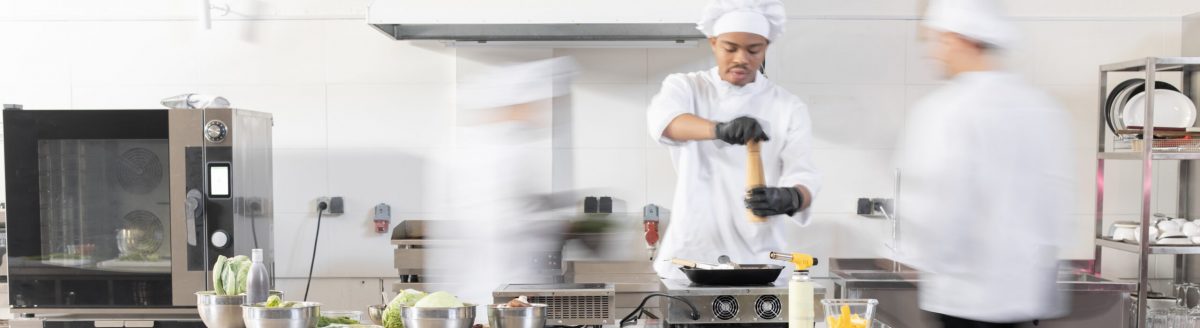
A restaurant kitchen depends on reliable equipment to keep orders moving and customers satisfied. When an oven breaks down, refrigeration can’t keep up, or outdated technology slows service, waiting to upgrade can create bigger problems. Restaurant equipment financing lets owners buy or lease essential equipment without paying the full cost upfront, making improvements more manageable while keeping cash available for other business expenses.
How Does Restaurant Equipment Financing Work?
Equipment financing is designed specifically for physical assets a business needs to operate. Rather than paying the full purchase price at once, a restaurant can finance or lease equipment and make payments over an established period. With financing, the equipment itself typically serves as collateral for the loan.
This approach works for individual replacements or larger kitchen upgrades. Depending on the restaurant’s needs, equipment may include:
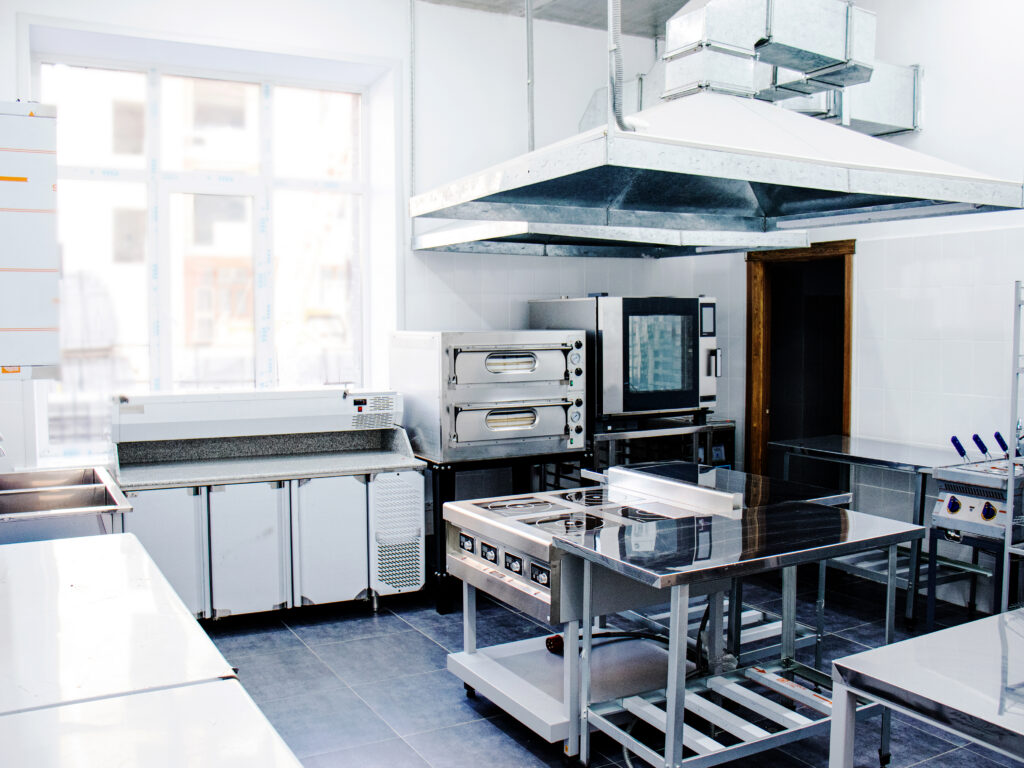
- Commercial ovens and ranges: Replace aging cooking equipment or increase capacity as order volume grows.
- Refrigerators and freezers: Upgrade cold storage to accommodate ingredients, prepared foods, and higher inventory levels.
- Dishwashers: Increase cleaning capacity during busy service periods.
- Food-preparation equipment: Add mixers, slicers, processors, and other tools that can make repetitive kitchen tasks more efficient.
- Point-of-sale technology: Upgrade the systems used to process orders and payments.
- Specialized kitchen equipment: Buy appliances needed for new menu items, catering services, or other business additions.
Because the financing is connected to a specific asset, it differs from general-purpose working capital that may be used across multiple areas of a business.
Restaurant Equipment Financing: Purchasing vs. Leasing
One of the first decisions restaurant owners need to make is whether purchasing or leasing makes more sense. Both let you access equipment without paying the full cost upfront, but they serve different long-term goals.
Purchasing Restaurant Equipment
Equipment financing lets a restaurant buy an asset and repay the loan over time. Once the restaurant repays the financing, it owns the equipment.
Purchasing may be a good choice for durable equipment that you expect to use for many years. Commercial ranges, ovens, mixers, and other core kitchen equipment may continue serving a restaurant long after financing ends.
Ownership can also give you more control over how you use or modify equipment. The tradeoff is committing to an asset that may eventually require repairs or become outdated.
Leasing Restaurant Equipment
With a lease, the restaurant uses equipment for an established period in exchange for regular payments rather than purchasing it outright. Depending on the agreement, end-of-lease options may include returning the equipment, renewing the lease, upgrading it, or purchasing it.
Leasing can be useful when flexibility is a priority. For equipment and technology that may require frequent upgrades, restaurant owners can avoid committing to an asset they may want to replace within a few years.
When deciding between the two, consider how long you expect to use the equipment, how quickly it could become outdated, and whether ownership provides meaningful long-term value.
Benefits of Restaurant Equipment Financing
A major equipment purchase can compete with many other expenses for the same available cash. Restaurant equipment financing allows owners to meet equipment needs while balancing other financial responsibilities involved in running a restaurant.
Preserve Working Capital
Restaurants have ongoing expenses regardless of whether a major piece of equipment needs replacing. Payroll, food inventory, rent, utilities, marketing, and vendor payments still need to be covered.
Spreading equipment costs over time can help keep more cash available for those expenses instead of putting a large amount toward one purchase.
Replace Unreliable Equipment
An unreliable refrigerator, oven, or dishwasher can quickly become more than an inconvenience. Frequent breakdowns can interrupt food preparation, slow service, and add repair expenses.
Financing lets restaurant owners replace aging equipment before repeated problems start interfering with normal operations.
Improve Kitchen Productivity
Better equipment can change how efficiently employees work. A higher-capacity oven may allow the kitchen to prepare more orders at once, while updated food-preparation equipment can reduce the time employees spend on repetitive tasks.
These improvements can matter most when a restaurant sees higher order volumes but lacks the physical space or staffing capacity to keep adding employees.
Support New Revenue Opportunities
New equipment can also help a restaurant expand what it offers. Specialized appliances may be needed to introduce new menu items, while additional cooking or refrigeration capacity could support catering, takeout, or increased dine-in demand.
In these situations, equipment becomes an investment in what the restaurant can do, not simply a replacement for something that doesn’t work efficiently or has stopped working completely.
Prepare for Growth
A restaurant does not necessarily need to wait until equipment fails to replace it. Owners preparing for increased demand may proactively add refrigeration, cooking equipment, storage, or technology before existing systems reach capacity.
Financing those improvements can help the kitchen prepare for growth before equipment limitations begin slowing it down.
Is Restaurant Equipment Financing Right for Your Business?
Before financing or leasing new equipment, consider how the investment will affect both your kitchen and your finances. The goal is to acquire equipment that provides sufficient operational value to justify the ongoing expense.
Ask yourself:
- How essential is the equipment? Determine how directly it affects daily kitchen operations.
- How long will you use it? Long-lasting equipment may be better suited to purchasing, while equipment that changes frequently may be a candidate for leasing.
- Will it improve productivity? Consider whether the upgrade can reduce delays, increase capacity, or help employees work more efficiently.
- Does it support additional revenue? Determine whether the equipment could support new menu items, catering, takeout, or greater order volume.
- Can the business comfortably manage the payments? Any financing decision should fit alongside the restaurant’s existing operating expenses.
Answering these questions can help you determine not only whether financing makes sense, but also which approach fits the equipment you’re considering.
Is It Time to Upgrade Your Restaurant Equipment?
Reliable equipment is fundamental to running an efficient kitchen. At Sandbar Fund, we help business owners explore equipment financing and leasing solutions for physical assets needed to operate and grow. Sandbar Fund offers commercial equipment financing with customizable terms and a streamlined approval and funding process.
From replacing an aging oven to updating technology or outfitting your kitchen for growth, restaurant equipment financing can help you invest without absorbing the full cost all at once.
Don’t let outdated or unreliable equipment limit what your kitchen can accomplish. Contact Sandbar Fund today to discuss your equipment needs and explore financing or leasing options that can help keep your restaurant moving forward.

Restaurant Equipment Financing FAQs
What is restaurant equipment financing?
It is financing used to purchase or lease physical equipment needed to operate or improve a restaurant.
What restaurant equipment can be financed?
Equipment may include commercial ovens, ranges, refrigerators, freezers, dishwashers, food-preparation equipment, POS technology, and specialized kitchen appliances.
Is it better to purchase or lease restaurant equipment?
It depends on how long you expect to use the equipment and whether ownership or flexibility is more important to your business.
When does purchasing equipment make sense?
Purchasing may make sense for durable equipment that will remain useful and essential to the restaurant for many years.
When might leasing be a better option?
Leasing may be useful when flexibility is important, or the equipment is likely to need frequent upgrades.
Can equipment financing help a restaurant expand?
Yes. New equipment can increase kitchen capacity, improve productivity, and support additional services such as catering or expanded takeout.