As businesses grow, operational demands grow right alongside them. Increased inventory, faster fulfillment expectations, and expanding customer bases can quickly put pressure on existing warehouse space and logistics systems. For many companies, expanding warehouse operations becomes a necessary step toward continued growth. However, expansion comes with high costs. Warehouse financing can help businesses scale strategically without exhausting cash flow.
What are the Common Reasons for Warehouse Expansion?
Warehouse expansion is often a sign that a business is growing successfully. As order volume increases and operational complexity rises, companies need more space, better systems, and improved logistics capabilities to keep pace with demand.
Expansion is not always about building a larger warehouse. In many cases, businesses are improving functionality, increasing efficiency, or modernizing operations to remain competitive in today’s market.
Common reasons businesses expand warehouse operations include:
- Growing inventory needs: As product lines expand or customer demand increases, businesses may need additional storage capacity to maintain proper inventory levels.
- Higher order volume: E-commerce growth and increased sales often require more warehouse space and operational support to fulfill orders efficiently.
- Faster fulfillment expectations: Customers expect quick delivery timelines, which puts pressure on businesses to improve logistics and distribution processes.
- Operational efficiency improvements: Many companies expand operations to reorganize workflows, improve storage systems, or introduce automation to increase productivity.
- Expansion into new markets: Businesses entering new geographic areas may require additional warehouse space to support regional distribution and customer service.
Recognizing why expansion is necessary helps businesses plan more effectively and determine which financing options best align with their goals.
What are the Costs Associated with Warehouse Expansion?
Warehouse expansion can require substantial investment beyond simply leasing or purchasing additional space. Businesses often need to invest in infrastructure, technology, staffing, and operational improvements simultaneously.
Without a financing strategy in place, these costs can strain working capital and slow down growth initiatives.
Common warehouse expansion expenses include:
- Warehouse space acquisition: Leasing, purchasing, or renovating additional space can become one of the largest expenses associated with expansion.
- Storage systems and racking: Efficient warehouse organization often requires shelving, pallet racks, and custom storage systems designed to maximize space.
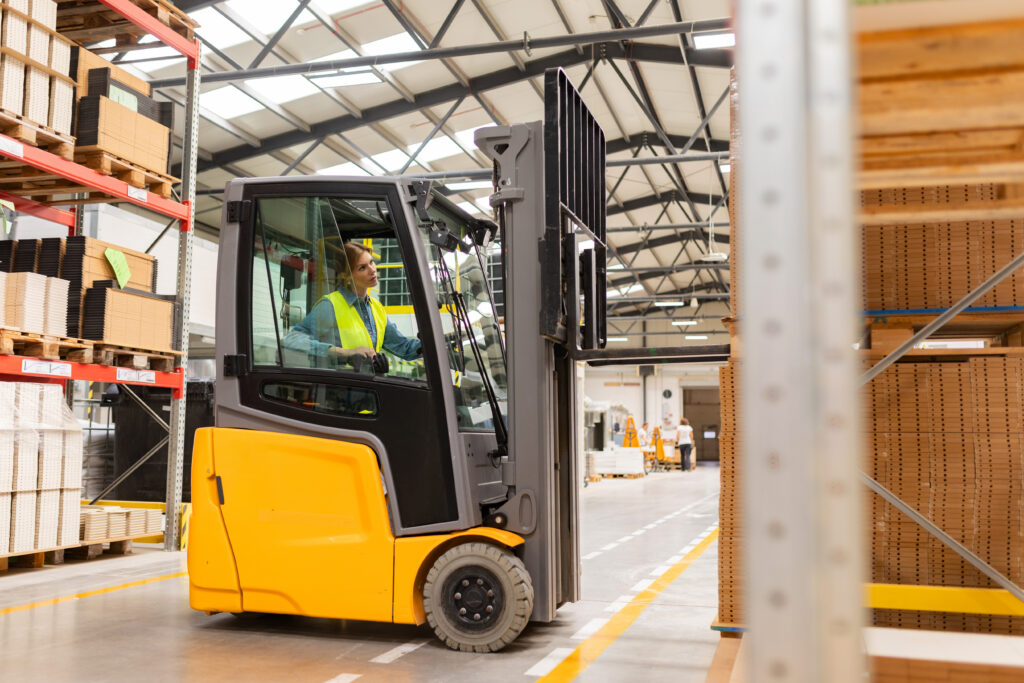
- Warehouse equipment: Forklifts, pallet jacks, conveyors, and loading equipment are essential for maintaining efficient operations.
- Technology and software upgrades: Inventory management systems, barcode scanners, automation tools, and logistics software help improve operational visibility and accuracy.
- Hiring and training staff: Expanding operations may require additional warehouse employees, supervisors, and logistics personnel.
Since these expenses can accumulate quickly, many businesses turn to warehouse financing to maintain flexibility as they continue to grow.
Choosing the Right Warehouse Financing Strategy
Different businesses have different operational goals, which means there is no single financing solution that fits every warehouse expansion project. The right funding option depends on how quickly capital is needed, how the funds will be used, and how repayment aligns with cash flow.
Equipment Financing and Leasing
For businesses investing in operational efficiency, equipment financing and leasing can provide access to critical warehouse tools without requiring large upfront payments.
This type of warehouse financing is commonly used to acquire:
- Forklifts and material handling equipment
- Conveyor systems and warehouse automation tools
- Storage racks and shelving systems
- Delivery and transportation equipment
Financing spreads the cost over time, while leasing can provide flexibility for businesses that expect to upgrade equipment regularly. This allows companies to modernize operations while preserving cash for other operational needs.
SBA Loans
SBA loans can provide long-term funding solutions for businesses planning major warehouse expansion projects. These loans are partially backed by the Small Business Administration, helping businesses access financing with favorable repayment terms.
SBA financing may be used for:
- Purchasing warehouse property
- Renovating existing facilities
- Expanding operational infrastructure
- Supporting long-term growth initiatives
SBA loans often require more documentation and longer approval timelines, making them best suited for established businesses with strong financial history and clear expansion plans.
Business Lines of Credit
A business line of credit provides flexible access to capital that businesses can use as needed throughout the expansion process.
This option works particularly well for:
- Ongoing operational expenses
- Payroll during expansion
- Inventory purchases
- Temporary cash flow gaps
Unlike a traditional loan, businesses only borrow what they need and repay based on usage. This flexibility makes lines of credit a practical option for companies managing multiple warehouse-related expenses over time.
Collateral-Based Loans
Collateral loans allow businesses to leverage existing assets to secure funding for larger projects. Companies may use real estate, equipment, or other valuable assets to qualify for financing.
This type of warehouse financing may be beneficial for businesses that:
- Need larger funding amounts
- Want lower interest rates
- Have established assets available for collateral
Collateral-based loans are often used for significant warehouse upgrades, facility purchases, or large-scale operational improvements.
Merchant Cash Advance
For businesses that need fast access to working capital, a merchant cash advance can provide immediate funding based on future sales revenue.
This option is often used for:
- Short-term warehouse expenses
- Emergency operational needs
- Temporary staffing increases
- Quick inventory purchases
Merchant cash advances are generally best suited for businesses with strong daily sales volume and consistent revenue streams.
How to Make the Best Choice for Your Business
Choosing the right warehouse financing solution requires careful evaluation of both immediate needs and long-term business goals. While fast funding may solve short-term challenges, businesses should also consider how repayment will impact future operations.
Business owners should evaluate:
- Whether funding is needed for equipment, operations, or facility expansion
- How quickly is capital required
- Current cash flow stability
- Long-term repayment capacity
The best financing solution is one that supports sustainable growth while maintaining operational flexibility.
Expand Smarter with Warehouse Financing
Warehouse expansion is a major step for any business, and having the right financial strategy can make the process significantly smoother. At Sandbar Fund, we help businesses explore warehouse financing solutions tailored to their operational goals, cash flow needs, and growth plans.
Our team works closely with business owners to understand their expansion objectives and to recommend funding options that align with their timelines and budgets. Whether you’re investing in new equipment, increasing storage capacity, or improving logistics operations, Sandbar Fund provides flexible financing solutions designed to support your growth.
Don’t let financial limitations slow down your expansion plans. Contact Sandbar Fund today to explore warehouse financing options that help your business grow efficiently and confidently.

Warehouse Financing FAQs
What is warehouse financing?
Warehouse financing refers to funding solutions used to support warehouse expansion, equipment purchases, and operational improvements.
Can warehouse financing be used for equipment purchases?
Yes. Businesses commonly use financing for forklifts, shelving systems, conveyors, and other warehouse equipment.
Are SBA loans good for warehouse expansion?
SBA loans can work well for long-term expansion projects, including property purchases and facility upgrades.
What businesses benefit from warehouse financing?
Businesses experiencing growth, increasing inventory demands, or expanding distribution operations often benefit most.
Can a line of credit help with warehouse expansion?
Yes. Business lines of credit provide flexible funding for operational expenses, inventory, and short-term cash flow needs.
What is the advantage of equipment leasing?
Leasing allows businesses to access equipment with lower upfront costs while preserving working capital.